

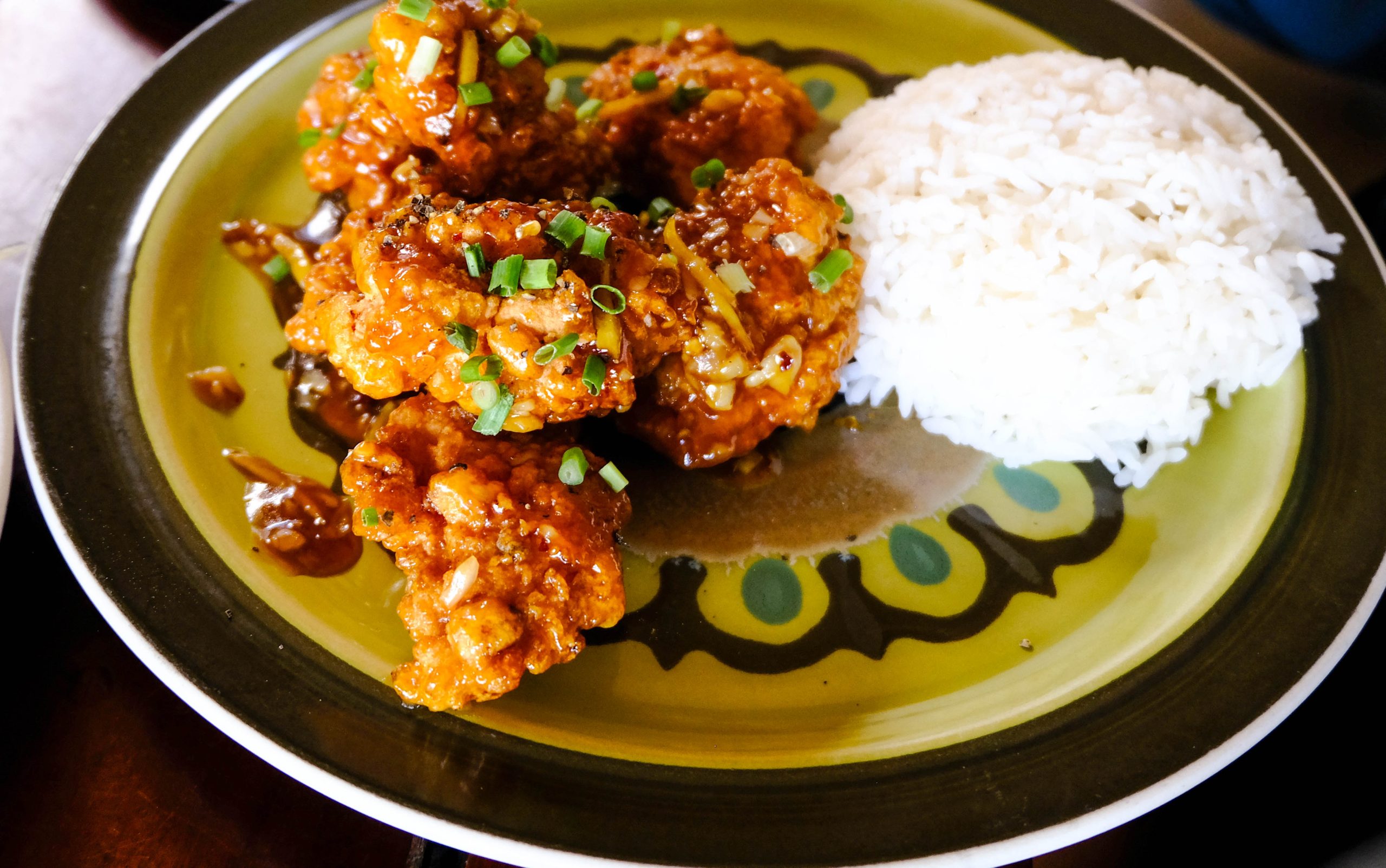
The iconic Panda Express Orange Chicken was created by Chef Andy Kao in 1987. At the time, Kao was the executive chef for Panda Express and developed the dish at a location in Hawaii.
The dish was inspired by the flavors of Hunan Province in China, which are known for being spicy and sour. However, Kao adapted the recipe for American palates, making it sweeter and less spicy than its traditional Chinese counterpart, which often uses dried orange peels and is spicier. He also changed it from a bone-in dish to the boneless, battered, and fried pieces that are now so familiar.
The main flavor is sweet and sour. The orange sauce is divine. The chicken is not dry at all.
I am not Chinese, but I do love Chinese Cuisine. Vietnamese and Chinese cuisine share lots of similarities in flavors and ingredients. The main difference is Vietnamese food uses less soya sauce and less deep-frying. For the sauce, Vietnamese tend to use more fish sauce in our cuisine. in 2020, we were strongly hit by Covid 19. It was a difficult time for restaurants and Cafes. In 2021, I came up with an idea: opening a Chinese restaurant. I did some research and find out the orange chicken is very popular. For the locals, the Panda express version is a little bit sweet, so I made it less sweet and oily for the locals. With this recipe, I can assure that it is very healthy. All you gotta do is follow the right techniques. Now I will show you my version of Orange Chicken.

Orange Chicken – Even better than Panda Express

Description
Forget what you know about takeout! This isn't just another copycat recipe; it's a culinary journey to elevate the beloved American-Chinese classic. While Panda Express's Orange Chicken has earned its spot as a fast-food icon, this recipe aims to do it one better. We'll start with a lighter, crispier chicken and then dive into a luscious, perfectly balanced sauce that hits all the right notes: tangy from real orange juice and zest, savory with a hint of soy, and just the right amount of sweetness. Get ready to create a dish that's fresher, more flavorful, and even more addictive than the original—all from the comfort of your own kitchen.
Remember 3 main ingredients when you try to create a Chinese dish: sugar, sesame oil, soya sauce.
Ingredients
Instructions
-
Marinate the chicken
Marinate the chicken in fresh milk with black pepper and salt, minced garlic, egg. Fresh whole milk will help the chicken to be tenderer and juicier. The chicken breast is often dry. This step is very important. Pepper and salt will enhance the flavors. Egg will help bind the batter later. If you have egg white, that will be more crunchy. Egg white will make the chicken fluffy and help bind the flour better. The lactic acid and calcium in the milk work together to gently tenderize the meat. Unlike acidic marinades (like vinegar or lemon juice) that can make chicken tough, milk breaks down muscle fibers to create a soft, juicy texture. The salt not only seasons the chicken but also helps it retain moisture, preventing it from drying out. Black pepper and garlic add a savory, aromatic kick. he egg acts as a powerful binder. It coats the chicken, creating a sticky surface that allows breading, flour, or other coatings to adhere perfectly. Using just the egg white is a pro tip for a crispier, fluffier crust. The egg white proteins help create a lighter, more airy texture once cooked.
-
Deep fried the chicken
For a foolproof crispy and tender chicken, combine cornstarch and all-purpose flour for the perfect breading. Using your hands, generously coat the marinated chicken pieces, pressing the flour mixture on firmly to ensure it adheres well. In a large pan, heat a generous amount of neutral oil to 300°F (150°C)—this temperature is crucial to prevent the batter from becoming soggy or falling off. Carefully place the battered chicken into the hot oil and deep-fry until it's about 80% cooked and a light golden color, about 3-5 minutes. This initial "par-frying" step sets the stage for a final, crispier fry later, ensuring a juicy interior and a beautiful, crunchy exterior.
-
Make the orange sauce
Crafting the orange sauce requires precision and good timing to achieve a perfect balance of sweet, tangy, and savory flavors. Begin by heating two tablespoons of oil in a pan, then stir-fry a tablespoon of minced ginger and two cloves of minced garlic until fragrant. Next, pour in one cup of orange juice, six tablespoons of soy sauce, and three tablespoons of sugar, stirring until the sugar dissolves. For a little heat, you can add a teaspoon of chili flakes. Bring the sauce to a gentle simmer, then slowly whisk in a cornstarch slurry (one tablespoon of cornstarch mixed with two tablespoons of cold water) to thicken it. Once the sauce has thickened to your liking, remove it from the heat and stir in a teaspoon of sesame oil. The most important step is to taste and adjust—add more sugar or soy sauce until the flavor is perfectly balanced and delicious.
-
Second time deep fry the chicken to make it extra crispy.
Once your par-fried chicken has cooled slightly, it's time for the final and most important step to achieve a truly professional-level crispy crust. For this, you will use the same oil from the first deep fry. Reheat the oil in your pan until it reaches a temperature of 350°F (180°C). This second, hotter fry is a technique borrowed from Chinese cooking and is known as a "double fry." The higher temperature helps to quickly cook the chicken through, but more importantly, it forces out any remaining moisture and oil from the crust, resulting in an incredibly light, airy, and shatteringly crispy texture that will not become soggy. Carefully place the par-fried chicken pieces back into the hot oil in small batches and fry for another 2-3 minutes, or until the chicken is a deep golden brown and exceptionally crunchy. Once done, remove the chicken and place it on a wire rack to drain any excess oil before tossing it with the orange sauce.
-
Toss the chicken to the sauce
For the final step, quickly heat the orange sauce and toss in all the double-fried chicken, making sure every piece is coated but doing so with speed to keep the crust from getting soggy. Immediately transfer the sauced chicken to a serving plate and garnish with a generous sprinkle of chopped spring onions and roasted sesame seeds. The fresh, sharp flavor of the onions and the nutty crunch of the sesame seeds perfectly complement the sweet and savory chicken, creating a delicious finish to your crispy orange chicken.
-
Serving
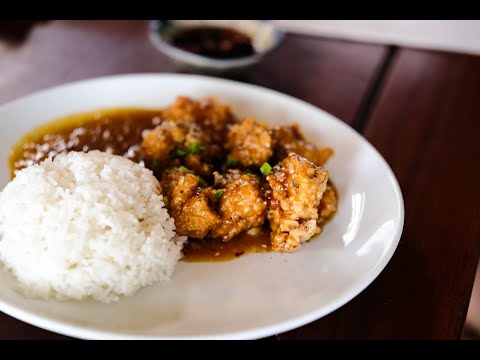
Serve with steamed rice


Nutrition Facts
Servings 1
- Amount Per Serving
- Calories 490kcal
- % Daily Value *
- Total Fat 23g36%
- Saturated Fat 5g25%
- Trans Fat 24g
- Sodium 2038mg85%
- Potassium 455mg13%
- Total Carbohydrate 53g18%
- Dietary Fiber 201g804%
- Sugars 20g
- Protein 50g100%
* Percent Daily Values are based on a 2,000 calorie diet. Your daily value may be higher or lower depending on your calorie needs.
Note
- Mastering the Fry: The key to a perfect crispy exterior and tender, juicy interior is temperature control. Never overcrowd the pan and always ensure your oil is at the correct temperature for each stage of the double-frying process. Frying once at a lower temperature and then a second time at a higher temperature is essential for achieving a light, airy, and truly crispy crust that isn't greasy.
- Building the Sauce: When making the sauce, follow the order of ingredients carefully: start by sautéing the ginger, then add the garlic briefly to avoid burning it. This ensures the aromatics are fragrant but not bitter.
- Balancing Flavors: The final taste of the sauce is everything. Because the sweetness and saltiness of ingredients like sugar and soy sauce can vary, it's crucial to add them slowly and taste as you go. The goal is a perfect harmony of sweet, tangy, and savory flavors, so be patient and adjust until the sauce is just right.